Rosemary and oregano contain diabetes-fighting compounds

Released on EurekAlert! On July 23, 2014
http://www.eurekalert.org/pub_releases/2014-07/acs-rao072314.php

a5

The popular culinary herbs oregano and rosemary are packed with healthful compounds, and now lab tests show they could work in much the same way as prescription anti-diabetic medication, scientists report. In their new study published in ACS’ Journal of Agricultural and Food Chemistry, they found that how the herbs are grown makes a difference, and they also identified which compounds contribute the most to this promising trait.

Elvira Gonzalez de Mejia and colleagues point out that in 2012, type-2 diabetes affected more than 8 percent of Americans and cost the country $175 billion. Some people can manage the disease with exercise and changes to their diet, and others take medication. But not everyone can stick to a new lifestyle or afford the prescription drugs necessary to keep their blood-sugar level in check. Recent research has shown that herbs could provide a natural way to help lower glucose in blood. So Gonzalez de Mejia’s team decided to take a closer look.

They tested four different herbs, either greenhouse-grown or dried commercial versions, for their ability to interfere with a diabetes-related enzyme, which is also a target of a prescription drug for the disease.

They found that greenhouse herbs contained more polyphenols and flavonoids compared to the equivalent commercial herbs. But this didn’t affect the concentration required to inhibit the enzyme. Commercial extracts of Greek oregano, Mexican oregano and rosemary were better inhibitors of the enzyme, required to reduce risk of type-2 diabetes, than greenhouse-grown herbs. The researchers say more studies are needed to understand the role of these compounds in reducing the risk of type-2 diabetes in humans.

# # #

The American Chemical Society is a nonprofit organization chartered by the U.S. Congress. With more than 161,000 members, the ACS is the world’s largest scientific society and a global leader in providing access to chemistry-related research through its multiple databases, peer-reviewed journals, and scientific conferences. Its main offices are in Washington, D.C., and Columbus, Ohio.

Original Article released:
http://www.eurekalert.org/pub_releases/2014-07/acs-rao072314.php

Link Cited on: LINK de DIET
http://www.nutritio.net/linkdediet/news/FMPro?-db=NEWS.fp5&-Format=detail.htm&kibanID=45437&-lay=lay&-Find

Easy Ways To Boost Cell Turnover

Posted on NEWBEAUTY THE BEAUTY AUTHORITY on Friday, April 27, 2012 by NewBeauty Editors
http://www.newbeauty.com/dailybeauty/entry.aspx?id=5735

a4

Cell renewal is an important element in keeping your skin glowing. When the rate at which cells are used and renewed slows down, the result is older-looking skin, typically caused by inflammation or environmental stress. While aging also plays a part in slowing down your cell turnover, there are some things you can do to keep those skin cells happy and healthy. Here are a few places to start: 

Look for powerful ingredients
Because skin cell renewal is slowed with free radical and sun damage, vitamin C can be a strong ally to your cells. When applied to the skin, it can help fend off damage. In addition, alpha lipoic acid may also help protect the cells from inflammation. Retinoid is another powerful ingredient, and at prescription strength, can increase cell turnover and, after a few month’s use, can even help to clear age spots caused by sun damage. 

Make better food choices
What you eat directly affects the livelihood of your cells. Sugar will boost inflammation’s damaging effects, but eating good fats and oils, like tuna, salmon, soybeans, tofu, olive oil and avocado, help regulate cell metabolism, boost cellular repair and suppress inflammation. 

Take smart supplements
Vitamin E helps to prevent oxidative damage and protects cell membranes, which makes it an essential vitamin to include. Vitamins A, C, K and B are also vital to repairing, protecting and renewing skin cells. A good multivitamin with a variety of nutrients can be a good way to hit all the bases. 

See the original article where some more useful information about cell turnover.  
Original Article:  NEW BEAUTY THE BEAUTY AUTHORITY
http://www.newbeauty.com/blog/dailybeauty/5988-easy-ways-to-boost-cell-turnover/

Riding and dining in style: Trains that offer local food, sights

a2
Posted on The Japan Times by The Yomiuri Shimbun on August 12, 2014
http://the-japan-news.com/news/article/0001468288
Passengers eat lunch on Kitakinki Tango Railway’s Tango Kuromatsu train.

The Yomiuri Shimbun

The Yomiuri Shimbun“Gourmet sightseeing trains” that run on local lines across the nation are a hot trend, allowing passengers to go sightseeing while dining on authentic dishes using locally produced ingredients.

As many of them operate only on weekends or limited schedules, seats are sometimes very difficult to reserve. The concept of dining leisurely while enjoying the scenery seen from a train window, which has broad appeal, has contributed to a recovery in the declining number of riders on local trains.

Shikoku Railway Co. began operating the Iyonada Monogatari sightseeing train on July 26. On weekends and national holidays, the train travels mainly around the coastal area of Ehime Prefecture. The two-car train with a capacity of 50 passengers was remodeled at a cost of about ¥150 million.

a3

Iyonada Monogatari train at JR Matsuyama Station 

On its inaugural day, family passengers boarded the train at Matsuyama Station.

“This line hasn’t been profitable, so I hope many people will ride the train and enjoy the splendid landscape along the railway track,” said JR Shikoku President Masafumi Izumi at the inauguration ceremony held at the station in the morning.

Dishes served on the train include a salad using locally grown lettuce and tomatoes, breaded fried uchiko pork featuring a local pork brand and red sea bream, which came from the nearby Seto Inland Sea, steamed in wine.

“I’m looking forward to trying the dishes made with local ingredients,” said Masako Yoneda, 50, a piano teacher of Yufu, Oita Prefecture. “I like the train’s old-fashioned decor, which uses plenty of wood.”

In May, Kitakinki Tango Railway Co. began operating the Tango Kuromatsu train, another gourmet sightseeing train that plies the 54-kilometer distance between Ama no Hashidate Station in Kyoto Prefecture and Toyooka Station in Hyogo Prefecture.

Passengers can dine on a salad of locally grown vegetables and roasted Kyoto beef, among other specialties. The ingredients are partially prepared at gourmet inns in the region and finished in the train’s on-board kitchen.

Yukiko Saiga, 73, a homemaker of Yabu, Hyogo Prefecture, took the train with three of her family members.

“I could tell that a lot of time and energy went into all the dishes. It’s like an upscale restaurant,” she said. “The scenery you see out a train window is usually nothing special, but it seems like a different world to me now.”

The Kuromatsu train comes in three types—trains that specialize in lunches, sweets or locally brewed sake, which are offered mainly on weekends. Although the cost runs from ¥4,000 to ¥10,000 per passenger, including train fare, it is so popular that getting a reservation can be difficult.

Sightseeing trains for enjoying local delicacies are also diverse in their offerings.

Shinano Railway, which operates in Karuizawa, Nagano Prefecture, started operations of their Rokumon train in July, serving local specialty gourmet ham and wines made at wineries along the railway line.

Ohmi Railway Corp., which operates in eastern Shiga Prefecture, is running the Ohmi Biaden—Hoshizora Nama Biru Go (Ohmi beer train—starry sky draft beer) train until Aug. 30. Passengers are served frozen beer.

The Tsudoi train operated by Kintetsu Corp. is equipped with seats facing windows. Ise ebi lobster soup and other local dishes are served at the counter on board.

East Japan Railway Co.’s Tohoku Emotion train operates between Hachinohe Station in Aomori Prefecture and Kuji Station in Iwate Prefecture and provides a dessert buffet and a lunch menu featuring seafood caught off the Sanriku region.

Isumi Railway’s Restaurant Kiha train operating in Chiba Prefecture serves Italian dishes, curry and rice and sashimi.

Showa Retoro Biru de Densha (Showa retro beer and train), operated by Keihan Electric Railway Co., travels in Shiga Prefecture and serves a bottomless mug of beer.

A Ressha de Iko (Take the A train), operated by Kyushu Railway Co., runs in Kumamoto Prefecture. Passengers are served highballs using locally grown dekopon citrus fruit to the sounds of jazz music.

According to the Land, Infrastructure, Transport and Tourism Ministry, of 91 companies operating local trains, including semiprivate companies, 69 were in the red in fiscal 2012. The poor results were attributed to a decrease of about 20 percent in ridership caused by a population decline outside of metropolitan areas compared to that of 20 years ago.

Meanwhile, Kitakinki Tango Railway attracted about 17,000 more passengers in fiscal 2013 by launching two types of sightseeing trains that have elaborately designed interiors.

“The total number of passengers last fiscal year fell slightly from the previous year,” said company president Kiyokazu Ueda. “So I hope it will increase this fiscal year with the popularity of gourmet sightseeing trains.”

Few trains operate on local railway lines, making it possible to run trains at slower speeds so passengers can enjoy leisurely dining. Many such routes are located in areas rich with nature, a boon for attracting tourists.

“Local railway lines have been shifting from a means of transportation to a sightseeing attraction,” said Yoko Hayano, a research fellow of Japan Tourism Marketing Co. “Gourmet sightseeing trains are a good way to get people interested in areas along the lines.”

Original Article:  The Japan Times by Yomiuri Shimbun
http://the-japan-news.com/news/article/0001468288
The Yomiuri Shimbun


 

Health Benefits of Miso Paste on Digestion

Posted on SFGate by Joanne Marie, Demand Media
http://healthyeating.sfgate.com/health-benefits-miso-paste-digestion-3318.html

a2

Miso paste is a probiotic food that can help treat intestinal disorder

Miso paste is an Asian seasoning made by fermenting a mixture of soybeans, barley, brown rice and several other grains with a fungus, Aspergillus oryzae. The result of this fermentation is a smooth-textured paste with a strong, salty flavor. Often used in Asian cooking, miso is a healthy, probiotic food that helps support digestion by adding beneficial microorganisms to your digestive tract.


Intestinal Flora

Your large intestine contains about 100 trillion beneficial microorganisms from more than 500 different species. These microorganisms, called your normal flora, help you digest your food and process indigestible fiber, which you then eliminate in stool. They also protect you from pathogenic bacteria you ingest with food by maintaining a proper balance of bacterial colonies in your intestine. Mostly anaerobic bacteria that don’t require oxygen to live, your normal flora also produce vitamin K, an important clotting factor. If you contract a digestive illness or take antibiotics, some of these beneficial bacteria may die, potentially leading to diarrhea or other intestinal problems.


Probiotic Miso

Miso paste is a probiotic food that contains millions of microorganisms similar or identical to those beneficial bacteria that live in your large intestine. These microorganisms grow during the fermentation that produces miso, a process that typically takes anywhere from a few days to a year or more. The length of the fermentation process determines the flavor strength of the miso and also contributes to the number of probiotic organisms in the final paste. Nutritionally, miso paste provides mostly carbohydrate with some protein. It is also rich in several of the B-complex vitamins and contains several minerals, including calcium, iron, zinc, copper and magnesium.


Probiotic Benefits

Probiotic foods such as miso paste have a number of health benefits. In addition to contributing new bacteria to your existing intestinal colonies, miso can also help you overcome intestinal illness, including diarrhea. According to the Harvard School of Public Health, consuming probiotic foods can shorten the duration of infectious diarrhea, especially in infants and children. The Harvard website also summarizes strong evidence indicating that proobiotic foods can reduce the incidence of diarrhea caused by antibiotics by as much as 60 percent. In addition, the Mayo Clinic says that probiotic foods may also help treat irritable bowel syndrome and certain intestinal infections.


Uses

Miso paste is typically added to Japanese soup and other Asian dishes. To use miso in soup, dissolve a tablespoon of the paste in tepid water and add this to a pot of heated water containing tofu, seaweed or other ingredients of your preference. You might also spread a small amount of miso paste on crackers for a snack, keeping in mind that the paste is quite salty. Miso is also a flavorful condiment when spread on cooked corn on the cob in place of salt and butter, or as a spread on toast at breakfast. To preserve the living microorganisms in miso paste, avoid subjecting it to high heat. Instead, add the paste to dishes that have already been cooked or heated to serving temperature.

Original Article:  SFGate
http://healthyeating.sfgate.com/health-benefits-miso-paste-digestion-3318.html3

Soy may help women’s hearts if they start early

Released on EurekAlert! On July 30, 2014
http://www.eurekalert.org/pub_releases/2014-07/tnam-smh072914.php

CLEVELAND, Ohio (Wednesday, July 30, 2014)—A diet rich in soy may help feminine hearts, but timing matters, finds a new study published online today in Menopause, the journal of The North American Menopause Society. 

a1

Lifelong soy consumption, similar to the diet of women in Asia, produces the least atherosclerosis. Switching to a Western diet after menopause, similar to Asian migrants to North America, leads to just as much atherosclerosis as a lifelong Western diet, and switching to soy from a Western diet after menopause helps only if there isn’t much atherosclerosis already.

Researchers at Wake Forest School of Medicine in Winston-Salem, NC, reached those conclusions based on their feeding study of cynomolgus monkeys before and after surgical menopause. They fed premenopausal monkeys a diet with protein derived mainly from animal sources or a diet with protein from high-isoflavone soybeans. After having their ovaries removed, mimicking human menopause, one group of monkeys continued to eat a soy diet, another switched from animal protein to soy, a third group stuck with animal protein, and a fourth switched from animal protein to soy.

After 34 months, cholesterol levels were good in the monkeys who ate soy before and after menopause. And for those that switched to a soy protein diet after menopause, similar to some North American women concerned about their heart health, cholesterol levels did improve significantly (with lower total, LDL, and VLDL and higher HDL). But when it came to how much plaque progressed in the arteries, there weren’t any statistically significant differences, despite trends favoring a lifelong soy diet and the switch to soy after menopause.

As far as the total amount of atherosclerosis was concerned, monkeys eating a lifelong soy diet showed a much lower proportion of complicated plaque in the arteries than the other monkeys.

There was a big advantage to a postmenopausal switch to soy for some of the monkeys, however. For those that had small plaques in the arteries at the time of menopause, the switch to soy after menopause markedly reduced the progression of plaque in the arteries.

These findings add to the similar ones from the Women’s Isoflavone Soy Health (WISH) clinical trial on atherosclerosis in women after menopause, but this animal study was able to model what the effects of a soy diet or soy supplements may be, based on women’s diets and heart health before menopause or very early after menopause, when artery plaques may still be small.

“This study underscores how important it is for women to get into the best cardiovascular shape they can before menopause. The healthy habits they start then will carry them through the years to come,” says NAMS Executive Director Margery Gass, MD.

###

The article “Beneficial effects of soy supplementation on postmenopausal atherosclerosis are dependent on pretreatment stage of plaque progression,” will be published in the March 2015 print edition of Menopause.

Founded in 1989, The North American Menopause Society (NAMS) is North America’s leading nonprofit organization dedicated to promoting the health and quality of life of all women during midlife and beyond through an understanding of menopause and healthy aging. Its multidisciplinary membership of 2,000 leaders in the field—including clinical and basic science experts from medicine, nursing, sociology, psychology, nutrition, anthropology, epidemiology, pharmacy, and education—makes NAMS uniquely qualified to serve as the definitive resource for health professionals and the public for accurate, unbiased information about menopause and healthy aging. To learn more about NAMS, visit http://www.menopause.org.

Original Article released:
http://www.eurekalert.org/pub_releases/2014-07/tnam-smh072914.php

Link Cited on: LINK de DIET
http://www.nutritio.net/linkdediet/news/FMPro?-db=NEWS.fp5&-Format=detail.htm&kibanID=45455&-lay=lay&-Find

Okra Nutrition Information

Posted on LIVESTRONG.COM on Feb 2, 2014 by Jill Corleone 
http://www.livestrong.com/article/371351-okra-nutrition-information/

1
Bowl full of okra Photo Credit bahadir-yeniceri/iStock/Getty Images

Okra is a classic southern vegetable, often served stewed with tomatoes, simmered in a gumbo or simply fried. If you don’t like okra, it’s probably because you haven’t had it cooked correctly. Okra’s slime, or what botanists call mucilage, can turn any vegetable lover into an okra hater. But if you’ve given up on this vegetable, you may want to give it another try. It’s low in calories and a good source of fiber, potassium, vitamin C, folate and magnesium.


Low-Energy-Dense Food


Energy density refers to the number of calories a food contains by weight. Foods with a low energy density have fewer calories per gram of weight, which means you get to eat a larger portion and consume fewer calories. A 1/2-cup serving, which is 80 grams, of boiled and drained okra has 25 calories, or 0.3 calories per gram. If you’re trying to lose weight or maintain a healthy weight, eating more low-energy-dense foods like okra can help.


Carbs and Fiber


Most of the calories in okra come from carbs, with 6 grams per 1/2-cup serving. Carbohydrates are an essential nutrient your body needs to function properly. It is also the body’s preferred source of energy. Some of the carbs in the okra come from its fiber content. A 1/2-cup serving of cooked okra contains 2 grams of fiber. Fiber is a type of carbohydrate your body cannot digest, and eating more fiber-rich foods can help lower blood cholesterol and reduce your risk of heart disease.


Some Protein, No Fat


Some of the calories in okra come from its protein and fat content, although the amount of fat in a serving of okra is negligible. A 1/2-cup serving contains 1.5 grams of protein and 0.1 grams of total fat. Like carbohydrates, protein and fats are also essential nutrients you need for good health. Protein in foods like okra helps with tissue repair and supports immune health. Like carbohydrates, fat in food also provides energy and is necessary for absorption of fat-soluble vitamins.


Rich in Vitamins and Minerals


Okra is a nutrient-rich vegetable that can help you meet your vitamin C, folic acid, potassium and magnesium needs. As an antioxidant, vitamin C protects your cells from free radical damage, which may reduce your risk of heart disease and cancer. Folic acid is a B vitamin that is especially important for women of child-bearing age because it helps prevent birth defects. Potassium in foods like okra is used to build muscle and break down carbs into energy. You need magnesium for protein synthesis and to assist with the contraction and relaxation of your muscles.


Original Article: LIVESTRONG.COM
http://www.livestrong.com/article/371351-okra-nutrition-information/


New research: Fresh avocado enhances absorption of essential nutrients for healthy living

Released on EurekAlert! On July 10, 2014
http://www.eurekalert.org/pub_releases/2014-07/fl-nrf071014.php

Study explores improvements in the absorption of vitamin A when avocados are eaten with tomatoes or carrots

1

IRVINE, Calif. (July 10, 2014) – Consuming a whole fresh avocado with either an orange-colored tomato sauce or raw carrots significantly enhanced provitamin A carotenoid (alpha- and beta-carotene) absorption and conversion of these carotenoids to an active form of vitamin A, according to new research (1) published in The Journal of Nutrition.

Vitamin A is involved in reproductive health and growth promotion; helps support healthy skin, immune function, and vision; and has antioxidant properties. Provitamin A carotenoids, like alpha- and beta-carotene, impart the orange and yellow colors to many fruits and vegetables. The body converts these plant pigments into an active and usable form of vitamin A.

The research, “Avocado consumption enhances human post-prandial absorption and conversion from a novel high beta-carotene tomato sauce and from carrots,” conducted at The Ohio State University and supported by the Hass Avocado Board (HAB), investigated if avocados could help the body better use and absorb vitamin A from carotene-rich foods when eaten together.

Specifically, the research was based on two randomized, two-way crossover feeding studies in 12 healthy men and women. The first study investigated if fresh avocado, when eaten with high beta-carotene tomato sauce, would promote the absorption of provitamin A carotenoids, and the conversion of these carotenoids to an active form of vitamin A. The second study investigated the same outcome, but replaced high beta-carotene tomato sauce with raw carrots.

For the first study, researchers found that compared to a tomato sauce meal without avocado, the addition of one avocado (150 g):

  • More than doubled (2.4 times) beta-carotene absorption

  • More than quadrupled (4.6 times) the conversion of provitamin A (inactive vitamin form) to vitamin A (active vitamin form)

Similarly, researchers found in the second study that compared to a raw carrot meal without avocado, the addition of one avocado (150 g):

  • Significantly increased beta-carotene absorption 6.6 times

  • More than quadrupled (4.8 times) alpha-carotene absorption

  • Significantly increased (12.6 times) the conversion of provitamin A (inactive vitamin form) to vitamin A (active vitamin form)

“The results of this study strengthen the current body of research on this topic and complements a previous study (2) conducted in my lab that showed a similar enhancement in carotenoid absorption with one-half of an avocado (75 g),” said Steven Schwartz, PhD, Professor, Carl E. Haas Endowed Chair, The Ohio State University. “The results also provide promising clues and a basis for future research to determine avocados’ effect on the conversion of provitamin A to vitamin A.”

“Pairing certain foods together is more than just about taste – specific foods eaten together can help your body utilize the benefits more effectively. We know that avocado consumers are interested in foods that act like a ‘nutrient booster,’ ” said Nikki A. Ford, PhD, Director of Nutrition, HAB. “While additional studies are needed to determine if these results can be applied to everyone, the studies’ outcomes help to strengthen and advance the body of published research on avocado benefits and their role in everyday healthy living. Avocados are a nutrient dense, cholesterol-free fruit with naturally good fats, and are a delicious and easy way to add more fruits and vegetables to everyday healthy eating plans.”

###

To view the abstract or the full study visit http://jn.nutrition.org/content/early/2014/06/04/jn.113.187674.full.pdf+html

About the Hass Avocado Board

The Hass Avocado Board (HAB) is an agriculture promotion group established in 2002 to promote the consumption of Hass Avocados in the United States. A 12-member board representing domestic producers and importers of Hass Avocados directs HAB’s promotion, research and information programs under supervision of the United States Department of Agriculture. Funding for HAB comes from Hass avocado producers and importers in the United States.

In 2010, HAB established a Nutrition Research program to increase awareness and improve understanding of the unique benefits of avocados to human health.

For a comprehensive collection of published nutrition and scientific literature, authoritative reports, and other articles on or related to avocados, their nutrients and eating patterns that include them, visit http://www.AvocadoNutritionCenter.com.

For more information visit http://www.LoveOneToday.com or follow HAB on Facebook, Twitter, Pinterest and YouTube.

1. Kopec RE, Cooperstone JL, Schweiggert RM, et. al. Avocado consumption enhances human post-prandial absorption and conversion from a novel high beta-carotene tomato sauce and from carrots. J Nutr. 2014; Jun 4. [Epub ahead of print] 2. Unlu NZ, Bohn T, Clinton SK, Schwartz SJ. Carotenoid absorption from salad and salsa by humans is enhanced by the addition of avocado or avocado oil. J Nutr. 2005; 135: 431-6.

 Original Article released:
http://www.eurekalert.org/pub_releases/2014-07/fl-nrf071014.php

Link Cited on: LINK de DIET
http://www.nutritio.net/linkdediet/news/FMPro?-db=NEWS.fp5&-Format=detail.htm&kibanID=45271&-lay=lay&-Find

20 Summer Foods to Beat the Heat

Posted on IndiaTImes
http://m.indiatimes.com/lifestyle/health-and-fitness/20-summer-foods-to-beat-the-heat-144758-20.html#head

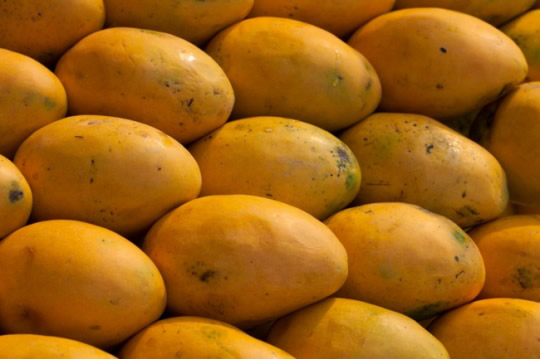
1 Mangoes
The arrival of the king of fruits is the arrival of the true summer season. Have it in the form of a milkshake, lassi or an aampanna, nothing beats the heat like a mango!
1

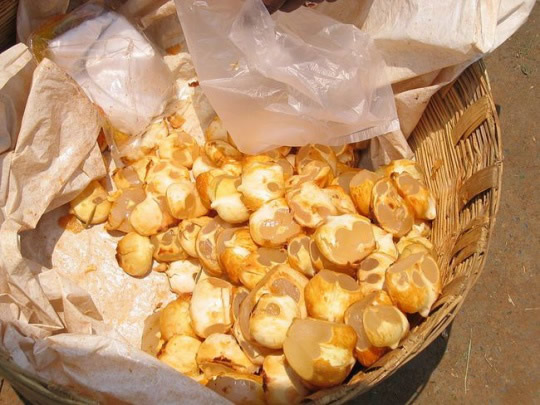
2 Sugar Palm Fruit 
The fruit of Sugar Palm tree is a summer season fruit. The transparent, watery fruit is high on water content, and is available cheap during summer.
2

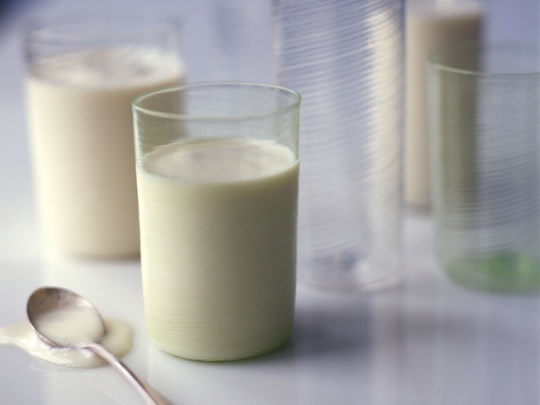
 3 Chaas (Buttermilk) 
Chaas or buttermilk is widely preferred in India to cool off after a heavy meal.
3 

 4 Green Tea 
This summer, ditch the caffeine, and go for green tea to experience a great change in terms of body weight and health. Green tea is extremely beneficial for weight loss, diabetes and blood pressure.
4 

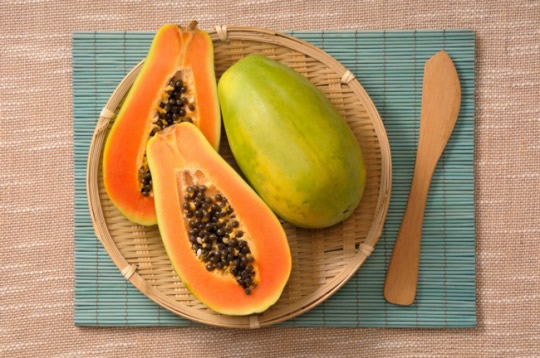
 5 Papaya 
The high Vitamin E content in Papaya helps in delaying the ageing. Its anti-ageing element makes it important to be included in this list.
5 

 6 Lemons 
All you need is a glass of good old nimbupaani to quench the summer thirst.
6

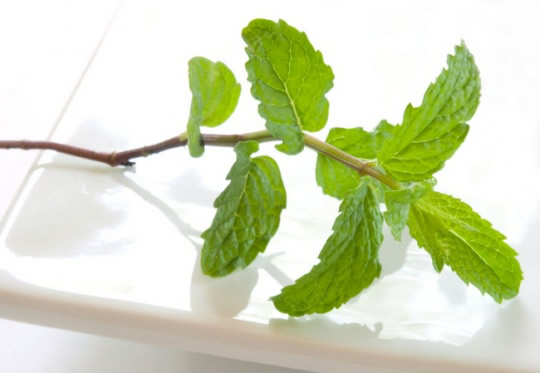
 7 Mint
The pudina leaves act as a great skin cleanser. It can also keep acidity at bay. 
7 

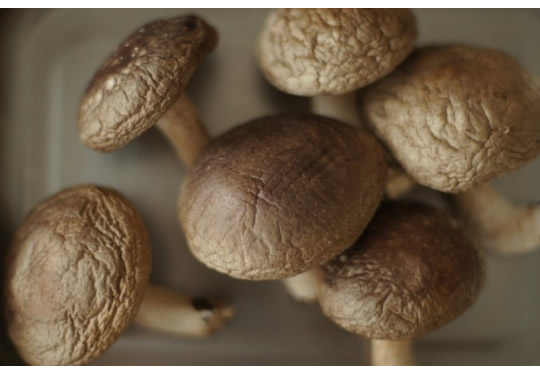
 8 Mushrooms 
Mushrooms contain zero cholesterol and are low on carbs, thus keeping you weight in check during the summer.
8 

9 Bananas 
Bananas have a cooling effect on your stomach, and is therefore recommended a piece after lunch and dinner.
9

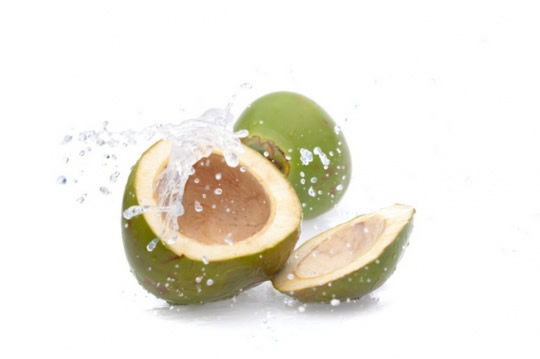
10 Coconut Water 
The more you consume nariyal pani , the less you will have summer problems.
10

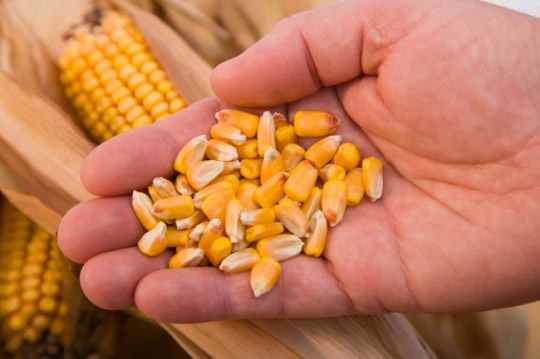
11 Corn 
Pack boiled corn as snacks as it can provide Vitamin B to lower the summer stress.
11

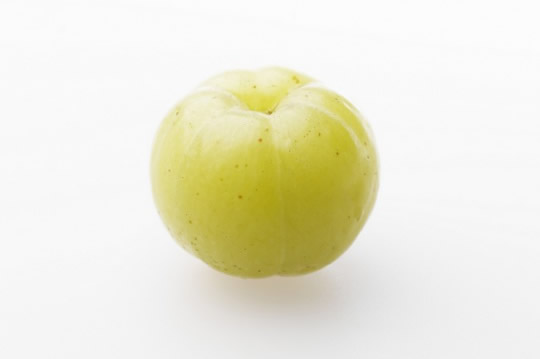
12 Amla (Gooseberry)
Don’t go by its bitter taste, as amla has sweet benefits for your body. Rich with Vitamin C, amlas can be a great help to combat the harsh summer sun.
12

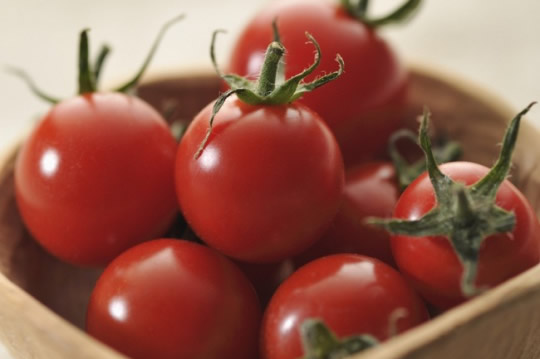
13 Tomatoes 
Red, juicy tomatoes are a powerhouse of Vitamin C and K, which are the essential vitamins needed to combat the summer heat.
13

 14 Berries 
Be it strawberries or blueberries, you ought to have a handful of them with a bowl of yogurt during the summers.
14 

 15 Bell Pepper
Bell Pepper ensures beautiful skin during the scathing weather as it contains Vitamin C which builds collagen.
15 

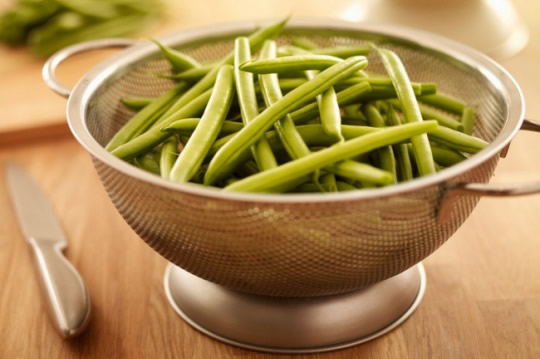
 16 Green Beans
The succulent green beans are a great source of Omega-3 fats. They are also rich in fiber and can control cardiovascular diseases.
16
 
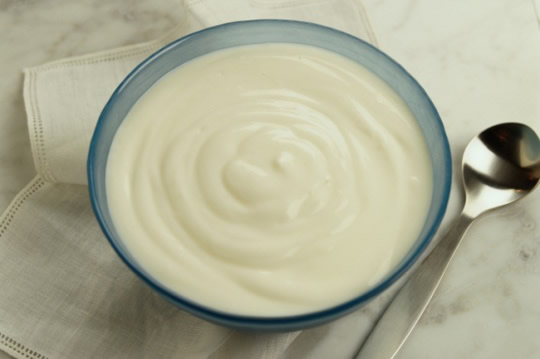
17 Yogurt
This probiotic not only keeps gastrointestinal problems at bay, but also keeps the digestive system in check during summer.
17 

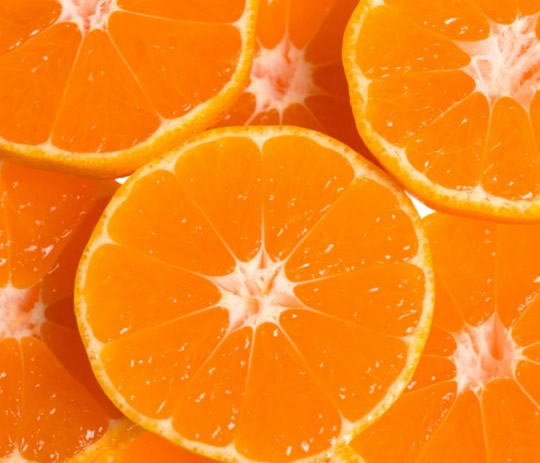
 18 Oranges
The citrus fruits will always keep you hydrated during the hot weather.
18 

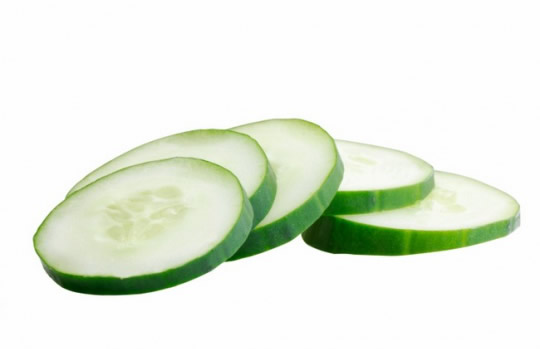
 19 Cucumber
The phrase ‘cool as a cucumber’ explains it all. Cucumber or kakdi (as it is locally known) is high on water content and is extremely helpful to beat the sizzling summer heat.
19 

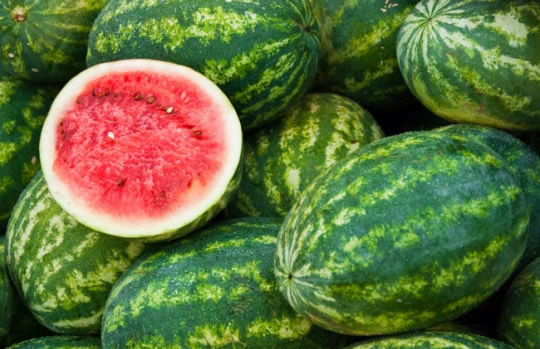
 20 Watermelon
The juicy watermelon is a rich source of Vitamin A and C. It does a great job of replenishing lost fluids for the body during summer. A glass of watermelon juice or 5-6 pieces of the fruit is recommended after lunch and dinner.
20

URL:  http://m.indiatimes.com/lifestyle/health-and-fitness/20-summer-foods-to-beat-the-heat-144758-20.html#head