The Hidden Benefits of Greek Olive Oil

Posted on LIVESTRONG.COM on January 8, 2015 By CHELSEA FUCHS
http://www.livestrong.com/blog/hidden-benefits-greek-olive-oil/

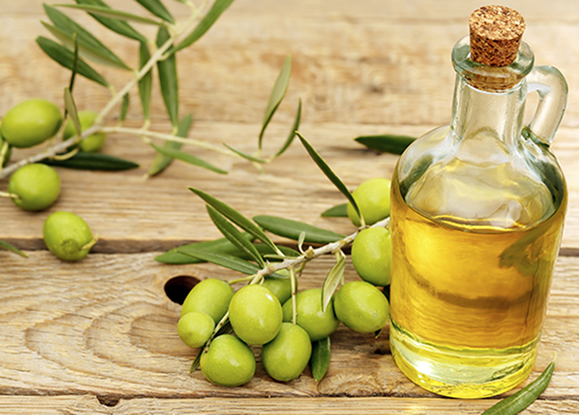
We all know modern life has a lot of moving parts, so it’s great to find things that can solve a lot of problems all at once. Extra-virgin Greek olive oil is one of those things: It’s one of the most versatile foods on the planet.
a2

It’s the building block of one of the world’s most healthy (and delicious) diets and, unlike other oils, isn’t just for frying pans. In study after study, modern science confirms what the ancient Greeks knew all along: Using Greek olive oil is one of the single healthiest food choices a person can make, so learn how to look for the right olive oil, what it does and the health benefits it provides.

Healthy Fat
Not all fats were created equal, and olive oil is among the healthiest known oils. It’s a central part of the so-called “Greek paradox” (i.e., people who follow a Mediterranean diet that’s high in fats have low levels of cardiovascular disease and obesity).

You’ve probably heard about the health benefits of fish oil. Extra-virgin olive oil contains the same omega-3 fatty acids associated with everything from lowering blood fat (a primary risk for heart disease) to decreasing joint pain in people with arthritis. You can even triple your intake of omega-3s by cooking fish in extra-virgin olive oil.

Fights Obesity
It’s no secret that obesity is a growing issue in America, particularly among children. Consuming Greek olive oil regularly has been shown to help maintain body weight and improve blood sugar and insulin control; the same goes for watching cholesterol. Olive oil is loaded with high-density lipids, or HDL, the “good” kind of cholesterol. Finally, of all available vegetable oils, olive oil is highest in monounsaturated fat, the kind of fat that doesn’t oxidize in the body and cause the body to age.

Natural Anti-Inflammatory
Extra-virgin olive oil contains a natural chemical with special properties: the phytonutrient oleocanthal. Oleocanthal mimics the effects of ibuprofen, reducing inflammation. Doctors believe inflammation is associated with — and may even be the root cause of — everything from allergies and depression to heart disease and cancer. The oleocanthal in extra-virgin olive oil keeps inflammation from getting out of hand.

Cook Smarter
Extra-virgin Greek olive oil is not only the purest variety of olive oil available, but has the richest flavor and aroma. Consider using olive oil as a replacement for butter and vegetable oils while cooking recipes you are already familiar with. You won’t lose flavor, but you will gain a wealth of healthy benefits.

Not Just for the Frying Pan
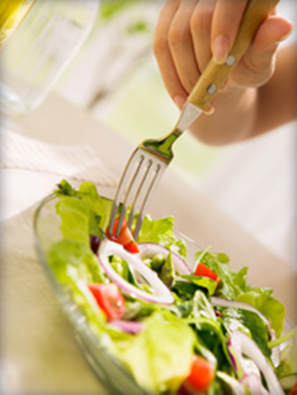
Pair it with some pita bread or a baguette for a classic snack. It’s also one of the most popular dressings for all sorts of salads, Greek and otherwise.

And then there’s pasta. Contrary to popular belief, Italian chefs recommend pouring some olive oil on your ziti and penne after you boil it. This way, your noodles will retain the full-bodied flavor of the oil.

Extra Virgin vs. Virgin
We know that extra-virgin olive oil has some specific health benefits as well as a distinctive taste. But what does extra-virgin mean? Extra-virgin oil comes from the first pressing of the olives. They are always cold pressed, meaning no heat or chemicals are used to extract the final product. There are no additives or preservatives either.

The result? An unadulterated oil that retains its natural flavor or aroma. Virgin olive oil comes from the second pressing and is of a lower quality. Greece has a special relationship with olive oil, where over 80 percent of production is extra virgin. For comparison, only 50 percent of Italian and less than 30 percent of Spanish olive oil are extra-virgin.

Labels Can Lie
Unfortunately, many brands claiming extra-virgin status are actually less than pure. Sometimes they are even adulterated with lesser varieties of vegetable oil.

In the U.S., food journalists’ estimate 69 percent of the olive oil on shelves is impure. There are easy ways to make sure you’re getting the purest product possible — just think about where it comes from. If 80 percent of the olive oil produced in Greece is of extra-virgin quality, the odds are good you’re getting the best product available. Do a bit of research on the brands you see on supermarket shelves before you buy.

Original Article:LIVESTRONG.COM
http://www.livestrong.com/blog/hidden-benefits-greek-olive-oil/

Green tea ingredient may target protein to kill oral cancer cells

Released on EurekAlert! on 28 Jan 2015
http://www.eurekalert.org/pub_releases/2015-01/ps-gti012815.php

a3

A compound found in green tea may trigger a cycle that kills oral cancer cells while leaving healthy cells alone, according to Penn State food scientists. The research could lead to treatments for oral cancer, as well as other types of cancer.

Earlier studies had shown that epigallocatechin-3-gallate — EGCG — a compound found in green tea, killed oral cancer cells without harming normal cells, but researchers did not understand the reasons for its ability to target the cancer cells, said Joshua Lambert, associate professor of food science and co-director of Penn State’s Center for Plant and Mushroom Foods for Health. The current study shows that EGCG may trigger a process in the mitochondria that leads to cell death.

“EGCG is doing something to damage the mitochondria and that mitochondrial damage sets up a cycle causing more damage and it spirals out, until the cell undergoes programmed cell death,” said Lambert. “It looks like EGCG causes the formation of reactive oxygen species in cancer cells, which damages the mitochondria, and the mitochondria responds by making more reactive oxygen species.”

As this mitochondrial demise continues, the cancer cell also reduces the expression of anti-oxidant genes, further lowering its defenses.

“So, it’s turning off its mechanism of protection at the same time that EGCG is causing this oxidative stress,” Lambert added.

The EGCG did not cause this reaction in normal cells. In fact, it appeared to increase the protective capabilities of the cell, according to the researchers, who report their findings in the online issue of Molecular Nutrition and Food Research.

The researchers studied normal human oral cells side-by-side with human oral cancer cells to determine how EGCG was affecting cancer cells differently than normal cells. They grew the normal and cancer cells on petri dishes and then exposed them to EGCG, the major polyphenol found in green tea, at concentrations typically found in the saliva after chewing green-tea chewing gum. At various times, the researchers would collect the cells and check for oxidative stress and signs of antioxidant response.

“We also took a lot of pictures, so we could use fluorescent dyes that measure mitochondrial function and oxidative stress and actually see these things develop,” said Lambert, who worked with Jong-Yung Park, a research technician and Ling Tao, a doctoral candidate in food science.

The researchers said that a protein called sirtuin 3 — SIRT3 — is critical to the process.

“It plays an important role in mitochondrial function and in anti-oxidant response in lots of tissues in the body, so the idea that EGCG might selectively affect the activity of sirtuin 3 in cancer cells — to turn it off — and in normal cells — to turn it on — is probably applicable in multiple kinds of cancers,” Lambert said.

The study builds on earlier research on how EGCG affected oral cancer, a disease that is expected to kill more than 8,000 people in the United States this year.

“We’ve published one paper previously just looking at the effect of these green tea polyphenols on oral cancer cells in cultures, and there have been other papers published using oral cancer cells and at least a couple of animal model studies that have looked at oral cancer and prevention of oral cancer,” said Lambert.

He said the next step would be to study the mechanism in animals. If those tests and human trials are successful, the researchers then hope to create anti-cancer treatments that are as effective as current treatments without the harmful side effects.

“The problem with a lot of chemotherapy drugs — especially early chemotherapy drugs — is that they really just target rapidly dividing cells, so cancer divides rapidly, but so do cells in your hair follicles and cells in your intestines, so you have a lot of side effects,” said Lambert. “But you don’t see these sorts of side effects with green tea consumption.”

Original Article released:
http://www.eurekalert.org/pub_releases/2015-01/ps-gti012815.php

Link Cited on: LINK de DIET
http://www.nutritio.net/linkdediet/news/FMPro?-db=NEWS.fp5&-Format=detail.htm&kibanID=47819&-lay=lay&-Find


The ‘fifth taste,’ umami, could be beneficial for health

Released on EurekAlert! on 25 Jan 2015
http://www.eurekalert.org/pub_releases/2015-01/bc-tt012215.php

a1

The special series in open-access journal Flavour also finds that ‘kokumi’ substances, which modify flavor, could improve the taste of low-fat foods

The umami taste could have an important and beneficial role in health, according to research published in the open access journal Flavour. The journal’s special series of articles ‘The Science of Taste’ also finds that ‘kokumi’ substances, which modify flavour, could improve the taste of low-fat foods.

Guest editor Ole Mouritsen, professor of biophysics at the University of Southern Denmark, said: “In general, our understanding of taste is inferior to our knowledge of the other human senses. An understanding and description of our sensory perception of food requires input from many different scientific disciplines.

“In addition to the natural and life sciences, human sciences, social sciences, as well as the arts, each contribute their perspectives on what we call ‘taste’. For this special series, we’ve brought together researchers from a range of different disciplines with the aim of providing a composite mosaic of our current understanding of taste.”

Despite the widely held belief that monosodium glutamate (MSG) is an unhealthy addition to food, researchers from Tohoku University Graduate School of Dentistry, Japan, show that the taste it triggers, umami, is important for health, especially in elderly people.

In a small study of 44 elderly patients, the researchers showed that some elderly patients suffer a loss of the umami taste sensation, and that all of the patients studied complained of appetite and weight loss, resulting in poor overall health. Umami taste receptors also reportedly exist in the gut, suggesting that the umami taste sensation functions in nutrient sensation and modulating digestion in the gut, which could be important for maintaining a healthy daily life.

The researchers suggest that diseases suffered by elderly patients and side effects from their medications could cause taste disorders and reduced salivation. They also found that treatment to improve salivary flow had a beneficial effect on the patients’ taste sensations and could help patients with reduced umami sensitivity.

In a separate review, Kumiko Ninomiya of the Umami Information Center, Japan, discusses umami’s discovery and the hundred-year delay in its global recognition as a basic taste. Exploring the differences in culinary culture between Europe and Japan, Ninomiya highlights recent collaborative studies with chefs and researchers on the different taste profiles for Japanese and Western soup stocks, and explains why umami has been more easily accepted by the Japanese. But she says a recent exchange on cooking methods and diverse types of umami-rich foods in different countries has facilitated a new approach to culinary science and could bring healthier and tastier solutions.

‘Kokumi’ substances, as found in garlic, onions and scallops, are known to enhance basic tastes when combined with other flavours, despite having no taste themselves. In a study of 29 people, published in Flavour, researchers showed that the addition of a kokumi substance significantly enhanced thick flavour, aftertaste, and oiliness in reduced-fat peanut butter. This suggests that kokumi substances could improve the flavour of low-fat foods.


Original Article released:
http://www.eurekalert.org/pub_releases/2015-01/bc-tt012215.php


Link Cited on: LINK de DIET
http://www.nutritio.net/linkdediet/news/FMPro?-db=NEWS.fp5&-Format=detail.htm&kibanID=47651&-lay=lay&-Find


5 Healthy Snacks for People With (or Without!) Diabetes

Posted on Health.com http://www.health.com/health/gallery/0,,20306913,00.html

When your stomach starts to rumble, you need a snack that can curb your hunger without blowing your blood sugar.

a1

Yes, you can snack if you have diabetes

When your stomach starts to rumble, you need a snack that can curb your hunger without blowing your blood sugar. Just like meals, snacks should be a combination of fat, protein, and carbohydrates. Aim for one that consists of 15 to 30 grams of carbohydrates and 100 to 200 calories (depending on your meal plan and medication). Here are five that typicall

a2

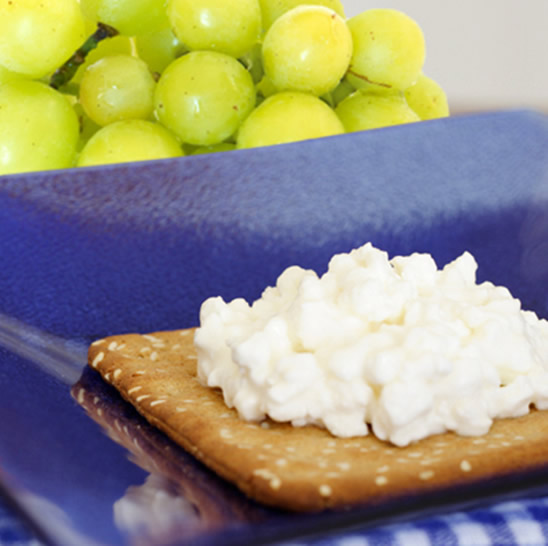
Whole-grain crackers, grapes, and cottage cheese

Nutrient-rich whole grains like cracked wheat, whole wheat, rye, and quinoa can lower blood sugar and cholesterol. The cottage cheese adds protein to stabilize blood sugar, curb hunger pangs, and provide calcium for strong bones. Buy your favorite whole-grain crackers, and make sure that the first ingredient is whole-wheat flour or another whole grain, such as rye. (Even if the ingredient list says “wheat flour,” it is not a whole-grain food unless it specifies “whole-wheat flour.”) Arrange on a small plate 2 crackers, 1/4 cup nonfat cottage cheese, and 1/4 cup grapes. Serving size: 2 crackers, 1/4 cup cottage cheese, and 1/4 cup grapes.

Nutritional information—Calories: 138, Total Carbohydrate: 21.2 g (7%), Dietary Fiber: 1.5 g (6%), Sugars 11.9 g

a3

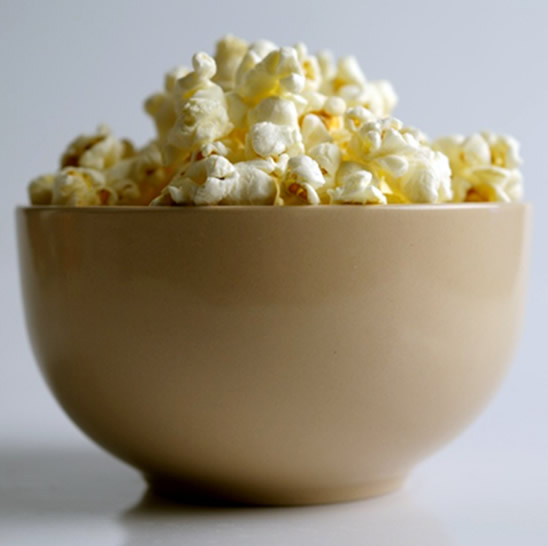
Homemade popcorn

Popcorn is high in fiber, and when made from scratch is an all-natural food without additives and artificial flavorings. Pour 1 tablespoon of mild-flavored oil such as canola into a heavy-bottomed medium-large pot. Cover the bottom of the pot with 1/2 cup of popcorn kernels spread in a thin layer. (If the kernels are too crowded, not all of them will pop.) Cover the pot and heat on medium, shaking the pot every minute or so until all of the kernels have popped. Take care not to cook too long, which could scorch the popped kernels. Sprinkle the popcorn with any of the following: 1/4 teaspoon salt, 1/4 teaspoon garlic powder, 1/4 teaspoon allspice, or 1 tablespoon grated Parmesan cheese. Serving size: 1 cup.

Nutritional information—Calories: 40, Total Carbohydrate: 5.8 g (2%), Dietary Fiber: 1.0 g (4%), Sugars 0.1 g

a4

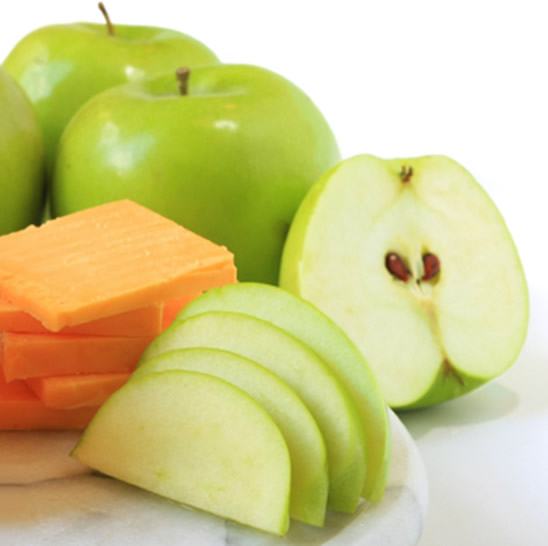
Apples and cheese

Fruit is an important part of any diet, even for people with diabetes; it provides fiber and other important nutrients. Portion control is important, because fruit is naturally high in sugar. When adding fruit to your meal plan, choose fruits lower in natural sugars, such as berries, melon, and apples, and always choose smaller whole fruits (or cut larger fruits in half). The cheese adds protein to help stabilize blood sugar and curb hunger pangs, and provides calcium for strong bones. Cut and core 1 small apple into 4 wedges. Cut 1 slice of reduced-fat Cheddar cheese into 4 pieces and place on apple wedges. Serving size: 1 apple wedge and 1/4 slice cheese.

Nutrition information—Calories: 30, Total Carbohydrate: 5.3 g (2%), Dietary Fiber: 0.8 g (3%), Sugars 3.8 g

a5

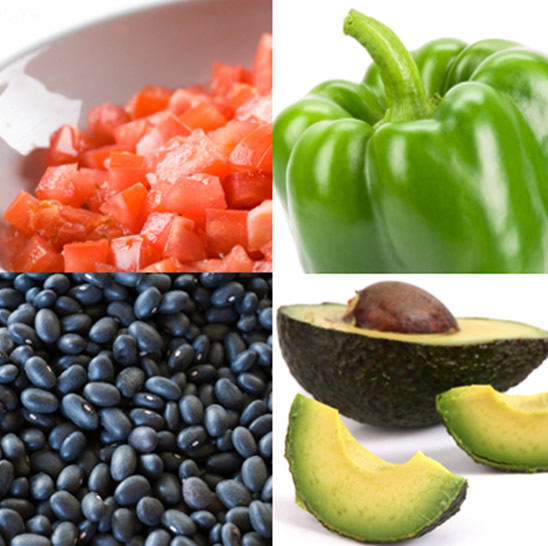
Black bean salad

Black beans are high in both fiber and protein, which help stabilize blood sugar and curb hunger pangs. Fiber can also help lower cholesterol. Tomatoes and other veggies add a variety of important nutrients as well as fiber. Rinse a 15-ounce can of lowest-sodium black beans under running water and drain well. Mix the beans in a medium bowl with 1/2 cup chopped fresh tomatoes, 1/2 cup chopped cucumber or celery, 1/2 cup chopped green-bell pepper, and 1/4 cup peeled, cubed avocado. Stir in 2 teaspoons fresh lemon juice, 1 clove minced fresh garlic (or 1/4 teaspoon garlic powder), 1/8 teaspoon salt, and freshly ground black pepper to taste. Serving size: 1/2 cup salad.

Nutrition information—Calories: 57, Total Carbohydrate: 10.6 g (4%), Dietary Fiber: 4.0 g (16%), Sugars 1.3 g

a6

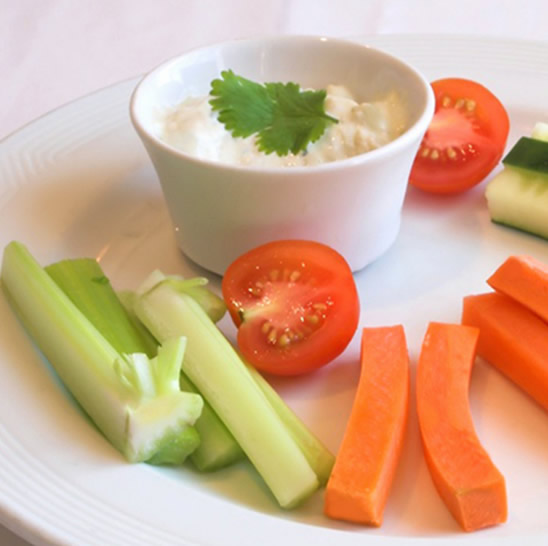
Veggies and fresh yogurt dip

Raw vegetables are rich in minerals, vitamins, and enzymes. The yogurt adds protein to help stabilize blood sugar and curb hunger pangs, and provides calcium for strong bones. Cut some fresh veggies such as carrots, celery, or broccoli into dipping-size pieces to measure 1/2 cup. (Prepare extra veggies in advance and keep in small, serving-size storage containers in the fridge for another day.) Create a simple, healthy dip by stirring together one 8-ounce carton of plain nonfat yogurt, 2 teaspoons of minced fresh dill weed (or 1 teaspoon dried dill weed), 1 teaspoon fresh lemon juice, 1/8 teaspoon salt, and freshly ground black pepper to taste. Serving size: 1/2 cup veggies and 2 tablespoons of dip.

Nutrition information—Calories: 31, Total Carbohydrate: 5.5 g (2% of Daily Value), Dietary Fiber: 1.2 g (5%), Sugars: 3.6 g

Soure: Health http://www.health.com/health/gallery/0,,20306913,00.html

Japanese Name for February

Japanese Name for February

This is the second entry to introduce Japanese name for months.  As explained in the last entry, even in the highly-developed and civilized times, Japanese people value and practice the annual events and customs based on the lunar calendar.  This is why people still use the ancient names for months.  Well, it is now February and it is called in ancient Japanese names; Kisaragi.

e1

There are several different origins why February started to be called “kisaragi,” but most commonly, it is said Kisaragi was first expressed in characters as 衣更着, meaning that people would put on clothes in layers to keep out the cold of February.  Also, it is believed to have originated from the seasonal changes from winter to spring expressed as 気更来.

Either one is not exactly reflected as shown in the current forms, 如月, which is said to have simply applied Chinese characters meaning the month of February.    

Black rice: Rare yet highly nutritious

fa

Posted on Natural News on Saturday, April 06, 2013 by: Sandeep Godiyal
http://www.naturalnews.com/039806_black_rice_antioxidants_health_benefits.html#

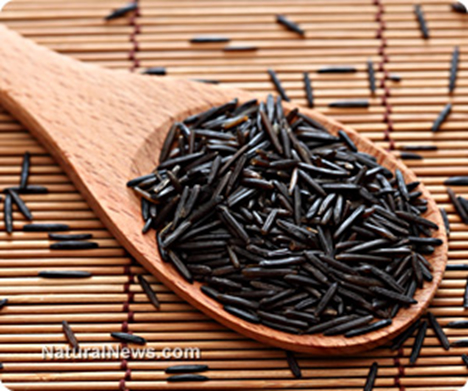
(NaturalNews) Although not very common, black rice is currently one of the healthiest food types that can be obtained today. Packed with a wide array of nutrients, black rice has a very rich and interesting history. As most people know, rice is a base food source in Asia. During the years when China was ruled by an emperor, black rice was dubbed as the “Forbidden Rice”. It was cultivated in very small amounts because it was only for the emperor’s consumption. Although no such ban is being practiced nowadays, black rice is still very much produced in low amounts, especially when compared to brown and white rice.

Health benefits of black rice

As already mentioned, black rice is known for its many health properties. For those who are currently wondering exactly what they are, here’s some information on what can be gained by eating the forbidden grain.

Contains a large amount of antioxidants. Black rice is a good source of antioxidants – a substance known for helping individuals flush out body wastes on a regular basis. Antioxidants can be found in coffee and tea but is definitely more prevalent in black rice. Notice the black appearance of this rice? The color can be attributed to the same chemicals that give acai berry and blueberries their distinctive coloring. The very same chemicals are also responsible for the high antioxidant count of the two.

Heart attack preventive. Studies show that black rice contains a large amount of anthocyanins, an ingredient that is capable of lowering the risk of heart attack. It does this by preventing the buildup of plaques in the arteries which is the most common reason why heart attacks occur. Even better, it was revealed that anthocyanins is more capable of controlling cholesterol levels than any other food supplement available today.

Other possible health benefits. Aside from the two mentioned that have already been proven by science, black rice is also being looked at as possible prevention from serious illnesses. Some of the diseases it can prevent includes include Alzheimer’s, diabetes and even cancer.

Comparison of different rice types

There are currently different rice types available today with the most common one being the white variety. Out of all the types, however, black rice is found to be the one containing the highest amount of nutrition that helps with growth. Here’s some information on the different rice colors on their content.

Polished white rice – contains 6.8 protein, 1.2 iron, 0.5 zinc and 0.6 fiber.
Brown rice – contains 7.9 protein, 2.2 iron, 0.5 zinc and 2.8 fiber
Purple rice – 8.3 protein, 3.9 iron, 2.2 zinc and 1.4 fiber.
Red rice – 7.0 protein, 5.5 iron, 3.3 zinc and 2.0 fiber.
Black rice – 8.5 protein, 3.5 iron, zero zinc and 4.9 fiber.

Thanks to the accessibility of the internet, it shouldn’t be hard for individuals to find and gain access to black rice. Even better news, there are currently numerous websites that provide information on how to cook black rice and serve it in a variety of ways.

Natural News
http://www.naturalnews.com/039806_black_rice_antioxidants_health_benefits.html#

An avocado a day keeps the cardiologist away

Released on EurekAlert! on 7 Jan 2015
http://www.eurekalert.org/pub_releases/2015-01/ps-aaa010715.php

UNIVERSITY PARK, Pa. — Adding an avocado to your daily diet may help lower bad cholesterol, in turn reducing risk for heart disease, according to health researchers.

Avocados are known to be a nutrient-dense food, high in monounsaturated fatty acids.Previous studies have suggested that avocados are a cholesterol-lowering food, but this 
s1is the first study — to the researchers’ knowledge — to look at health implications of avocados beyond monounsaturated fatty acids.

“Including one avocado each day as part of a moderate-fat, cholesterol-lowering diet compared to a comparable moderate-fat diet without an avocado provides additional LDL (low-density lipoproteins) lowering affects, which benefit CVD risk,” said Penny M. Kris-Etherton, Distinguished Professor of Nutrition.

Kris-Etherton and colleagues tested three different diets, all designed to lower cholesterol: a lower-fat diet, consisting of 24 percent fat, and two moderate fat diets, with 34 percent fat. The moderate fat diets were nearly identical, however one diet incorporated one Hass avocado every day while the other used a comparable amount of high oleic acid oils — such as olive oil — to match the fatty acid content of one avocado. Hass avocados are the smaller, darker variety with bumpy green skin and have a higher nutrient content than Florida avocados, which are larger, and have smoother skin and a higher water content.

The researchers tested the diets with 45 healthy, overweight adults between the ages of 21 and 70. Compared to the participants’ baseline measurements, all three diets significantly lowered LDL — also known as bad cholesterol — as well as total cholesterol. However, participants experienced an even greater reduction in LDL and total cholesterol while on the avocado diet, compared to the other two diets, the researchers report today (Jan. 7) in the Journal of the American Heart Association.

The avocado diet decreased bad cholesterol by 13.5 mg/dL, while LDL was decreased by 8.3 mg/dL on the moderate-fat diet and by 7.4 mg/dL on the low-fat diet.

All participants followed each of the three diets for five weeks. They were given a two-week break in between each diet. Blood samples were taken at the beginning and end of each study period. Subjects were randomly assigned the order in which they received each diet.

“This was a controlled feeding study, but that is not the real world — so it is more of a proof-of-concept investigation,” said Kris-Etherton. “We need to focus on getting people to eat a healthy diet that includes avocados and other food sources of better fats.”

She pointed out that much of the U.S. population doesn’t know how to use or prepare avocados, with the exception of guacamole. However, guacamole is usually eaten with corn chips, which are high in both sodium and calories.

“People should start thinking about eating avocados in new ways,” said Kris-Etherton. “I think using it as a condiment is a great way to incorporate avocados into meals — for instance, putting a slice or two on a sandwich or using chopped avocado in a salad or to season vegetables.”

Kris-Etherton and colleagues note that further research will need to be conducted with a larger and more diverse study sample and to explore further how high-density lipoproteins — good cholesterol — might be affected by a diet that includes avocados.

###

Working with Kris-Etherton on this research were Li Wang, a doctoral student, and Jennifer A. Fleming, instructor and clinical research coordinator, both in nutritional sciences, Penn State; Peter L. Bordi, associate professor of hospitality management and director of the Center for Food Innovation, Penn State; and Alison M. Hill, lecturer in nutrition, University of South Australia. The Hass Avocado Board, the National Center for Research Resources and the National Center for Advancing Translational Sciences all supported this research.

Original Article released:
http://www.eurekalert.org/pub_releases/2015-01/ps-aaa010715.php

Link Cited on: LINK de DIET
http://www.nutritio.net/linkdediet/news/FMPro?-db=NEWS.fp5&-Format=detail.htm&kibanID=47476&-lay=lay&-Find