
Posted on Prevention.com
http://www.prevention.com/health/healthy-living/3-stretches-reduce-stress-naturally
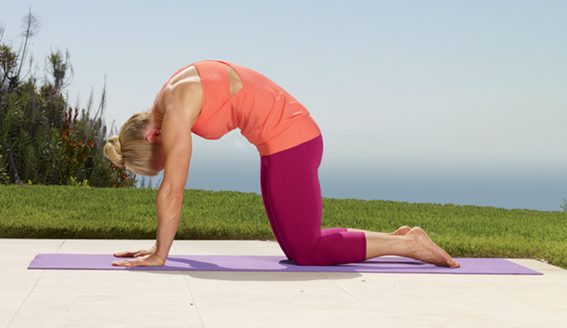
If daily stress has you literally in knots, taking a short break to do a few simple stretches can go a long way toward unwrapping some of that anxiety and tension. With each of these movements, stretch only as far as comfortably possible and focus on your breathing. For your healthiest stress-relief plan, combine these moves with regular exercise, a balanced diet, and frequent contact with friends and loved ones.
Wall Roll-Down
What it does: Relaxes neck, shoulders, and lower back
How to do it: Stand with your back against a wall, feet hip-width apart and about 12 inches from the wall. Inhale, pulling your abdominal muscles in toward your spine, and press your entire back to the wall. As you exhale, roll down until only your tailbone and buttocks are touching the wall. Relax your neck and shoulders, and let your head and arms hang. Take deep, slow breaths and circle your arms inward five times, then outward five times. Slowly roll up.
Cat With a Twist
What it does: Relaxes shoulders, chest, abdominal muscles, and back
How to do it: Kneel with your hands directly beneath your shoulders and knees beneath your hips. Exhale, pulling your abdominal muscles in toward your spine, round your back, and drop your head and tailbone toward the floor, stretching like a cat. Inhale and reverse the move, arching your back and lifting your tailbone and head toward the ceiling. Do the sequence five times. Next, with your back flat, twist and slide your left arm, palm up, between your right arm and right leg. Reach far enough with your left hand so that your left shoulder, arm, and side of your head rest on the floor. Hold for five to eight deep breaths, then repeat with right arm.
Up the Wall
What it does: Relaxes hips and back of thighs
How to do it: Lie on your back with buttocks as close to a wall as possible. Extend your legs up on the wall, keeping your feet relaxed and about hip-width apart. Using your hands, gently press your thighs toward the wall. Hold for five to eight breaths. Then slowly bend your knees out to the sides and bring the soles of your feet together, sliding them down the wall as far as is comfortable. (The sides of your feet should rest against the wall.) Gently press your knees and thighs toward the wall. Hold for five to eight breaths. Release.
Original Article: Prevention.com
http://www.prevention.com/health/healthy-living/3-stretches-reduce-stress-naturally

 A University of Colorado Cancer Center study published online ahead of print in the journal Nutrition and Cancer describes the laboratory synthesis of the most active component of grape seed extract, B2G2, and shows this synthesized compound induces the cell death known as apoptosis in prostate cancer cells while leaving healthy cells unharmed.
 When Australian researchers analyzed the diets of more than 1,000 adults, they discovered that the rate of actinic keratoses (skin lesions caused by long-term sun damage) was reduced by 28% in those that sipped a half glass of red wine a day. Red wine is a top source of resveratrol, an antioxidant compound with anti-tumor properties.
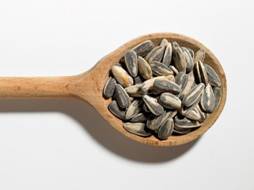 With 37% of your daily needs for vitamin E per ounce, these seeds can help keep your skin pimple-free. That’s according to a study published in Experimental Dermatology that looked at 100 patients recently diagnosed with acne. Researchers found that those suffering from severe acne had nearly 30% lower blood levels of vitamin E compared to a clear-skinned control group. Vitamin E is thought to enhance immune function, allowing the body to fight off the inflammation that leads to acne. (Already dealing with adult acne? These 10 effective solutions can help.)
 Who needs blush? Filling up on carrots can give you a natural glow. A 2011 UK study found that people who eat a higher amount of carotenoid-containing fruits and vegetables, like carrots, have more yellow tones in their skin, giving them a complexion that others rated as looking healthier.
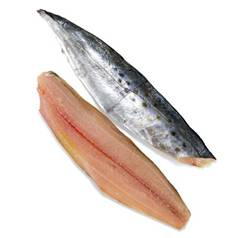 Mackerel is one of the best sources of vitamin B12, containing 16 mcg, or 270% of what your body needs in a day. That’s significant because many people miss out on B12 when they’re trying to eat less meat (or vegetarians who don’t eat any at all). One of the symptoms of B12 deficiency? Hyperpgimentation (dark spots) and vitiligo (white spots). Making sure you get enough of this vitamin every day (vegan sources include nutritional yeast) can help keep your skin even-toned.
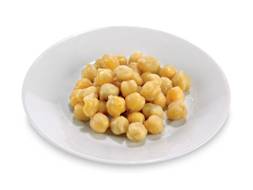 Korean researchers found that when adults followed a low–glycemic load diet for 10 weeks, they reduced both painful inflamed pimples and red spots. Why? High-glycemic diets include foods that rapidly increase blood sugar, causing high insulin levels that are thought to lead to hormonal changes that cause acne. Beans, particularly chickpeas, are low on the glycemic index since they’re rich in protein and fiber, two nutrients that slow down digestion and lower the blood sugar response.
 One study in the British Journal of Nutrition found that people who ate the most green and yellow vegetables (up to 250 grams; one large pepper is about 190 grams) had fewer wrinkles, especially in the crow’s feet area, compared to those who at the least amount (69 grams a day). This may be because of antioxidants that fight aging free radicals, says Dr. Wu.
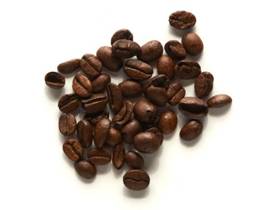 Women who drank coffee every day had an 11% lower prevalence of non-melanoma skin cancer (the most common form of skin cancer) compared to people who don’t drink coffee, according to a study published in the European Journal of Cancer Prevention in 2007. Downing six cups a day of caffeinated coffee slashed the risk by 30%, however, experts say to keep your habit under 28 cups a week, as higher consumption may lead to other health concerns. As with anything, moderation is key.
 This little fruit packs a wallop of vitamin C—nearly 120% of your daily needs in one medium kiwi. “C stimulates collagen synthesis, which keeps skin taught and smoothes fine lines,” says Drayer. She sites a study in the American Journal of Clinical Nutrition that found a diet high in vitamin C was associated with less dryness and less noticeable wrinkles.
 Eggs offer up a hefty dose of prote in without tons of fat, and less fat is a good thing for your skin: Higher fat diets are associated with aging skin. According to a study in the American Journal of Clinical Nutrition, a 17-gram increase in fat intake increased your odds of developing wrinkles by 28%.
 Cooked pumpkin is one of the top sources of beta-carotene. The body converts beta-carotene into vitamin A (a half cup of cooked pumpkin packs nearly 400% of your daily value for A), which is essential for the growth of skin cells. This, in turn, “helps keep skin soft, smooth and wrinkle-free,” says Drayer. (Make the most of your pumpkin with these 20 perfect pumpkin recipes.)
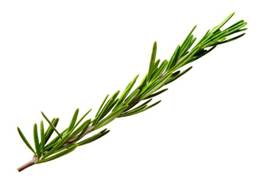 Consuming four or more herbs regularly—rosemary or thyme, for example—was associated with up to a 60% reduced risk of melanoma, finds a study in the International Journal of Epidemiology. Herbs pack a ton of antioxidants into a tiny skin-protecting package, squelching free radicals from the sun before they can damage skin.
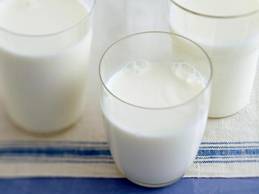 This makes the list because of what it’s not: dairy. “Research shows dairy is highly inflammatory, which means it will aggravate acne, wrinkles, and rashes,” says Dr. Wu. When you drink coffee or pour a bowl of whole grain cereal, she recommends using a non-dairy milk, like unsweetened almond milk. (Make your own almond milk with this easy recipe!)
 Yes, water keeps your skin hydrated—and staying hydrated makes it appear more plump and less wrinkled. But there’s another reason to fill up on water over other drinks: You’ll save on sugar. Sugars found in juices, sodas, and sports drinks cause your skin major woes, says Drayer. “When blood sugar levels are high, sugars can attach to proteins in collagen and produce compounds that cause skin to sag and wrinkle.” (Bored with plain water? These 25 sassy water recipes will totally fix that.)
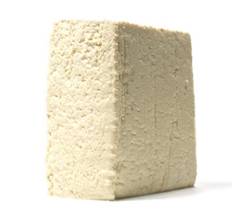 A small study of middle-aged Japanese women found that those who daily consumed 40 mg of aglycone (an isoflavone found in soy), had fewer fine lines and improved skin elasticity within 12 weeks compared to a placebo. The isoflavone can help stop collagen from breaking down, which is what leads to sagging and lines. You’ll find about 40 mg of isoflavones in 3 ounces of tempeh, 1 ounce of dry roasted soybeans, or 6 ounces of tofu.
 You’re looking at the best source of dietary zinc. Six of these bivalves provide over 500% of your daily need in a scant 57 calories. The mineral plays an important role in the growth and function of skin cells and, though more research is needed, some studies suggest that acne sufferers have lower than normal levels of zinc.
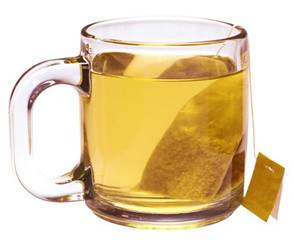 In a study published in the Journal of Nutrition in 2011, people who drank a beverage containing green tea polyphenols daily for 12 weeks had skin that was more elastic and smooth, and had one-quarter less sun damage when exposed to UV light compared to a control group. The brew’s catechins like EGCG (antioxidants) boost blood flow and oxygen to the skin, which delivers key nutrients to keep your complexion healthy, say researchers. Brew the perfect cup every time with these simple steps.
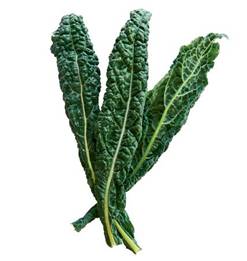 It’s one of the best sources of lutein and zeaxanthin, nutrients that absorb and neutralize the free radicals created by UV light—including the wavelengths that actually get through sunscreen and reach your skin, according to research in Clinics in Dermatology. Plus, just one cup gives you 134% and 133% of your daily value for skin-firming vitamin C and A, respectively. (Take your kale to a new level with chef Sam Talbot’s crunchy kale chips recipe.)
 It’s the only type of nut that contains a significant amount of omega-3 fatty acids, which is especially important for vegetarians who are skipping fish. Walnuts pack an omega-3 called alpha-linolenic acid. “Deficiency in this fat can result in eczema, which is associated with dry, scaly skin,” says Drayer.
 Researchers from the University of Arizona looked at people who reported that they ate citrus fruits, juices, and peels weekly. People who ate peels (orange peel or lemon zest, for example) had a 33% decreased risk for squamous cell carcinoma. Juice and fruit didn’t have any effect. The researchers credit limonene, a compound found in the oil in the peels that offers the UV-protective benefits. (Check out these tasty ways to eat fruit and veggie peels.)
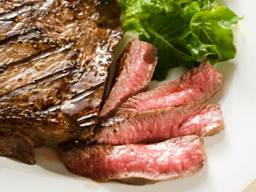 Not only does grass-fed beef contain a higher ratio of omega-3 to omega-6 fatty acids (to reduce inflammation), but it also packs nearly 30 grams of protein per 3.5-ounce serving. “Protein is the building block of collagen and elastin tissue, which keeps skin taut and less wrinkled,” says Dr. Wu. Choose lean cuts like sirloin tip and flank steak.
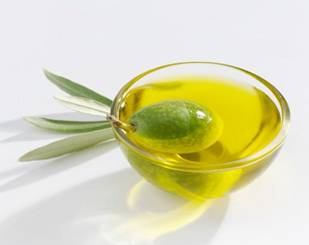 When researchers in a 2012 study in PLOS ONE analyzed the diets of 1264 women, they found that a higher consumption of olive oil (more than 8.4 grams or 2 teaspoons a day) was associated with 31% fewer signs of aging compared to people who ate less than 3.8 grams (about 1 teaspoon). Olive oil beat out the other oils tested, including sunflower and peanut. Why? About 75% of the fat in olive oil is monounsaturated fatty acids, which may play a role in the youth boost. The antioxidant polyphenols in olive oil could also quench damaging free radicals.
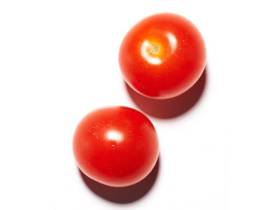 People who ate 5 tablespoons of tomato paste daily, along with almost a tablespoon of olive oil for 12 weeks, had 33% more protection from sunburn compared to a control group that ate just olive oil, according to a 2008 UK study. The antioxidant lycopene (levels of which are higher in cooked, processed tomatoes) improves skin’s natural SPF. (Though Dr. Wu warns that it’s not a replacement for sunscreen! Here’s how to find the best sunscreen for you.)
 The sweet treat is rich in cocoa flavanols, plant compounds with antioxidant properties, which help hydrate skin and improve circulation. Women who consumed a high flavanol cocoa powder drink daily for 12 weeks experienced less skin roughness and scaliness compared to a control group. They consumed the equivalent of 3.5 ounces of dark chocolate, but that’s far too many calories for most women, says Lisa Drayer, MA, RD, author of The Beauty Diet. She suggests sticking to a 1-ounce portion, or 150 calories, to reap the good skin benefits without the weight gain.
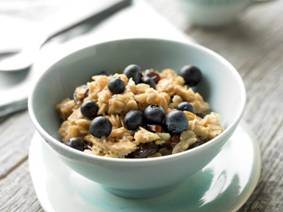 A whole grain oatmeal is a better pick for breakfast over a bagel and jelly. That’s because the latter offers a double whammy for skin: refined, sugary carbs that prompt your body to make insulin and increase the production of hormones known as androgens. “Elevated androgens cause sebaceous glands in the skin to secrete more oil that gets trapped inside pores, causing pimples,” says Drayer. Instead of brown sugar, add natural sweetness to your oatmeal with chopped fruit. (Give this blueberry-almond oatmeal recipe a try.)
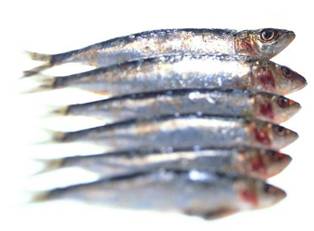 One serving (3.5 ounces) of these little swimmers contains 1.5 grams of omega-3 fatty acids, making it one of the best sources of the fat. Fatty fish is particularly rich in the type of omega-3 called DHA, an anti-inflammatory. “Inflammation is now known as the root cause of acne,” says Dr. Wu. Packing your diet with these omega-3s (also found in salmon) can help keep your skin clear.