I live with my husband and we share a common value of striving to live a “cultured” life. I think the definition of cultured living differs by person to person. My ideal cultured lifestyle places importance on such elements as “simplicity,” “comfort,” “freedom,” “sophistication,” and “eco-friendliness.”
Today in Japan, there are so many goods and materials around us. One would think it easy to live a simple and eco-friendly life, but it’s actually not. Recently, I’ve come to realize how difficult it is.
One day, my husband made yakisoba fried noodles for our lunch. The noodles were cooked with many slices of cabbage core – the very part I usually cut off and discard. The yakisoba had the distinct flavoring of cabbage, different from the usual but somewhat novel.
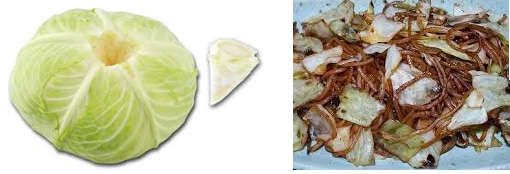
“Even the core of the cabbage is edible so there’s no reason to toss it out,” he said. Well, he was absolutely right. However, what my hubby did with the veggie struck me. As a housewife, I have thought discarding the cabbage core is a matter of course as I saw my mom, school teachers, and cooking experts on TV consistently cut off and tossed it out.
Then my husband explained what made him think like that. “I attended Zen meditation practices several years ago. You remember that, don’t you? I spent some weekends in a Zen temple where I experienced the life of a Zen monk.” I remember that he left Saturday morning and came home Sunday evening, extremely exhausted.
“From early morning we did zazen and routine tasks like cleaning inside the temple and the grounds. And then we had a meal. There are disciplinal manners at meal times…”
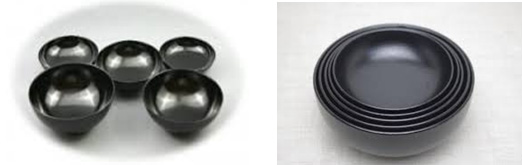
He says that Zen disciplinants’ way of eating leaves absolutely no waste. They dine using a set of five stacking bowls called jihatu and a pair of long chopsticks. They use the biggest bowl for cooked rice or porridge, the second biggest bowl for miso soup, and the rest of the bowls are for main/side dishes and takuwan pickles. They serve main/side entrees onto their bowls and pass the serving bowl to the person sitting next to them. At this time, they are supposed to serve their own portion taking into consideration how much others need. They must eat all they have, and talking or making sounds is prohibited. For those monks, meals are one of their practices – eating is partaking of lives – and they must concentrate on it.
After this experience, my husband says he changed his mind about eating and living. However, his room is not neatly organized at all…Well, anyway, we try to live a frugal life without extra possessions in accordance with the philosophy of Zen practice.
They say in Zen temples, monks don’t wash their dishes. They consume every bit of rice and other dishes except the very last bite of takuwan pickle. They pour hot water into the bowls, wipe them with the piece of takuwan, and drink the water. The bowls are then wiped with clean dry washcloth and stacked. Doing this with care prevents illness from food poisoning even without washing the bowls with water. This is an extremely ecological way of cleaning.
Ordinary people like us can’t live like those Zen monks for various reasons but I think we can learn much from the monks’ philosophies. For example, when having meals, we should enjoy the dishes in appreciation of the food and of those who made it. When washing dishes, avoid polluting the river by wiping the dishes with leftover oil using paper towel to reduce detergent use. Before dumping waste, sort trash in consideration of how the cleaning staff will treat it, and how it will be recycled or burned.
The bottom line is, caring matters. I think the care you take with things and people, your breadth of mind form our cultured living.
Reported by Yukari Aoike, Sugahara Institute



 Autumn is the time when your summer tan fades and you need to make changes to your summer skincare regime. There is a crispness in the air and although the sun is not very harsh and strong you still need to use a sunscreen and moisturiser regularly. Follow a few guidelines and you could have problem-free skin all through the season.
 Hot summer causes dehydration, and thereby wrinkles and fine lines appear on the skin. The moisture lost needs to be properly supplemented before the onset of winter. Moisturise at least twice daily after cleansing. Dry, normal and combination skin types may use a light oil free liquid or gel moisturiser. For drier skin types, choose a thicker cream based moituriser meant for dry skin. Along with your facial skin you need to take care of your body also. Be sure to take short warm baths and apply moisturiser onto your damp skin.
 Intensive skin treatments come in the form of serums or concentrated emulsions and should be done on damaged skin once or twice in a year. Vitamin C, Vitamin E, Flavonoids and Retinoids (Synthetic Vitamin A) are good treatments to reverse sun damage and improve skin tone. Some moisturizers also come with Vitamins. For a better effect use both – apply serum under the moisturizer either twice daily or as a night repair treatment. You can also go for at home treatments using masks and packs. Skin lightening treatments are very popular during Fall. For using masks, you need to exfoliate your skin (Do not exfoliate more than twice a week), and prepare it for treatment.
 Although the Autumn sun is not as strong as it was in summer, it is still necessary for you to use your sunscreen regularly. A sunscreen with SPF of atleast 15 is required in Autumn. Patch dryness, eczema and psoriasis, seborrhea and pityriasis rosea can start to flare. Even oily skin needs a moisturiser to keep oil production at bay, so use oil-free liquid moisturisers. If you have “sun spots” on your skin as a result of sun exposure last summer, you can go for exfoliation and whitening treatments. However, do consult your dermatologist before undergoing any treatment.
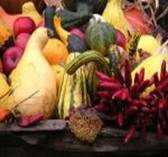 Summer means dehydration and therefore more water intake for replinishing the moisture lost, but that should not change once the temperatures drop. In fact, you should continue to drink at least eight glasses of water a day throughout the year, irrespective of sesonal changes. This will help you to flush out the body toxins better thereby ensuring a problem-free skin. Fall is a season when fresh fruit and vegetables abound, so you can include Pears, Leeks, Pumpkins, Sweetcorn, Broccoli, Cabbage, Carrots, Blackberries, Grapes, Plums and Raspberries to provide Vitamins C, B, E and A, Iron, Zinc, Calcium, Potassium, Bioflavonoids, Omega-3 Fatty acids etc.
 Seattle, WA—Taking a 12-week yoga class and practicing at home was linked to less insomnia—but not to fewer or less bothersome hot flashes or night sweats. The link between yoga and better sleep was the only statistically significant finding in this MsFLASH (Menopause Strategies: Finding Lasting Answers for Symptoms and Health) Network randomized controlled trial.
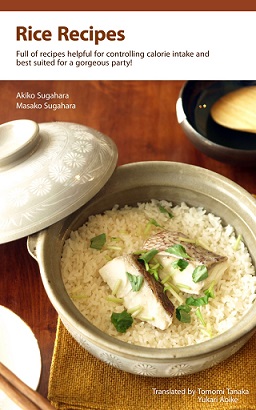 Dr. Akiko Sugahara Ph.D. has released her latest book in the series, “Akiko Sensei’s Healthy Recipes,” available now on the Amazon.com Kindle store. Co-authored by Masako Sugahara, the book offers more than 35 delicious, healthy recipes tested in the Sugahara Institute kitchens.